















- 提交
- 發送報價請求
- submit
- 發送報價請求
A Guide to Wabi-Sabi Home Design: Creating a Simple, Healing Space That Embraces Imperfection in Hong Kong
Feb 10,2026

The Philosophical Roots and Modern Significance of Wabi-Sabi Style
Wabi-Sabi, an essential concept in traditional Japanese aesthetics, originates from Zen Buddhist thought and emphasizes the acceptance of imperfection, impermanence, and incompleteness in all things. In Hong Kong—a fast-paced international metropolis—this aesthetic philosophy offers urban dwellers seeking inner peace a unique approach to life. Wabi-Sabi-inspired home design is not merely a decorative style; rather, it embodies a way of life that teaches us to appreciate the marks left by time, embrace the natural textures of materials, and celebrate the beauty of life’s imperfections.
Core of Philosophy and Aesthetics: Embracing the Beauty of Nature and Time.
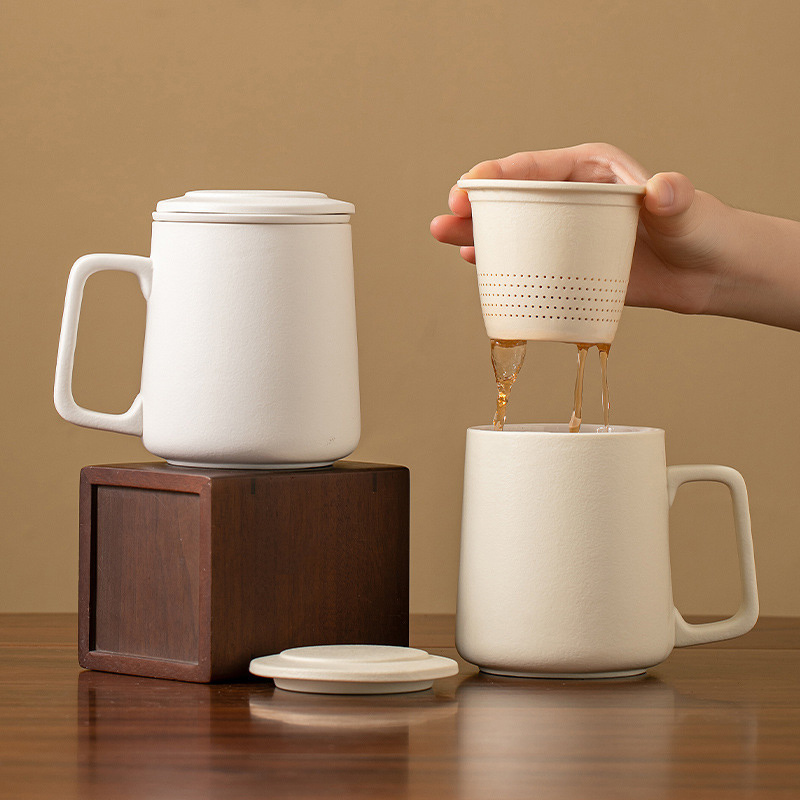
At the heart of wabi-sabi lies an appreciation for natural materials and a reverence for the marks of time. The grain of natural wood, the rough texture of earthenware, and the mottled surface of stone—these seemingly ordinary elements exude a unique charm in wabi-sabi design. The annual rings of wood bear witness to the tree’s growth journey, while the crackled glaze of pottery reveals the warmth of handcrafted artistry. These “imperfections” actually become symbols of beauty.
The marks of time are regarded as precious historical testimonies in the wabi-sabi style. A wooden tea table that has been used for many years may show slight scratches and fading on its surface, yet these imperfections tell stories of everyday life and carry more vitality than brand-new furniture. The mottled effect on walls, the natural fading of textiles, and the weathered texture of metals—these are all aesthetic elements celebrated in the wabi-sabi style.
Imperfect acceptance lies at the heart of the wabi-sabi aesthetic. The irregular shapes of handmade pottery, the asymmetrical patterns of natural stone, and the relaxed texture of linen fabrics—these “imperfections” actually create a unique sense of harmony. This aesthetic philosophy teaches us to let go of our obsession with perfectionism and learn to appreciate things as they truly are.
Hong Kong’s Localization Practices: Creating a Wabi-Sabi Style in Small Spaces
Living spaces in Hong Kong are generally smaller, presenting a unique challenge to the practice of wabi-sabi. However, small spaces can actually make it easier to create the serene atmosphere that wabi-sabi emphasizes. The key lies in carefully selecting high-quality items with exquisite textures, avoiding excessive decoration, and ensuring that each piece has a meaningful purpose.
Locally available terracotta flower pots are an essential element of the wabi-sabi style. In Hong Kong, several handmade pottery studios offer unique ceramic pieces; these flower pots are typically fired using natural glazes and feature a rough, naturally textured surface. Choosing flower pots with irregular shapes and pairing them with simple plants such as calathea, snake plant, or ferns can beautifully capture the natural aesthetic of wabi-sabi.
Linen fabrics play an important role in the Wabi-Sabi style. Home furnishing stores in Hong Kong offer a wide variety of high-quality linen fabrics, including curtains, sofa covers, and cushion covers. Linen’s natural texture and relaxed drape perfectly align with the principles of Wabi-Sabi. Choose neutral tones such as beige, gray, and light brown, and avoid overly vibrant colors.
When selecting solid-wood furniture, you might consider local Hong Kong brands that specialize in handcrafted woodwork. Furniture made from natural woods such as oak, walnut, and pine retains the wood’s natural grain and color; surface finishes typically feature clear varnish or natural oils, avoiding excessive processing. Multi-functional solid-wood furniture is especially well-suited for Hong Kong’s small spaces—for example, coffee tables with built-in storage or foldable dining tables.
To create a serene atmosphere in a small space, it’s essential to pay close attention to the interplay of light and shadow. By harnessing the gentle variations of natural light and pairing them with warm-toned artificial lighting, you can evoke a tranquil spatial experience. You can soften the light further by using paper lanterns or linen lampshades, thus avoiding overly harsh light sources.
Connection to Trends: A Subtle Yet Profound Response That Is Simple Yet Not Simplistic
The rise of the wabi-sabi style is a profound response to today’s design trend of “simplicity without simplicity.” Unlike minimalism’s pure geometric lines, wabi-sabi, beneath its minimalist exterior, harbors rich textures and profound depth. This style isn’t merely about “less is more”; rather, it’s about “simplicity is richness.”
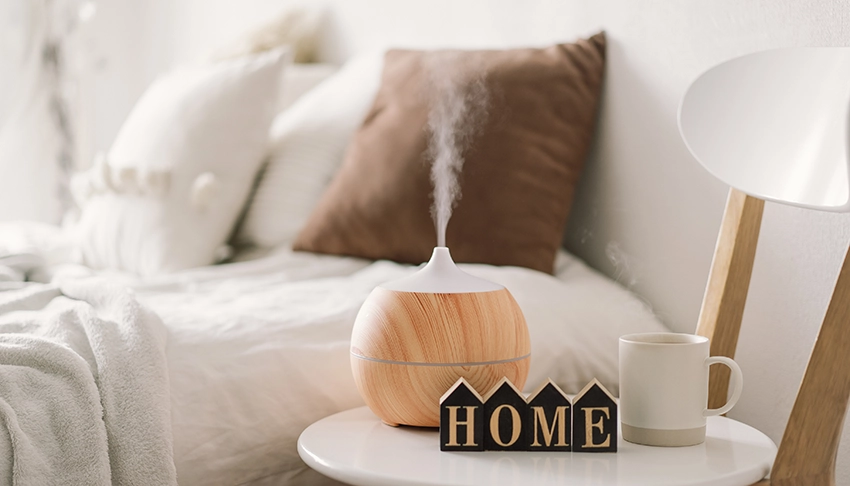
Modern urban dwellers, facing the pressures of a fast-paced lifestyle, long for inner peace within their homes. The wabi-sabi style offers not only visual simplicity but also spiritual comfort. Through the tactile warmth of natural materials, the gentle patina of time, and the authenticity of imperfection, it creates a truly healing space that allows both body and mind to relax and rejuvenate.
This design philosophy also aligns with the environmentally conscious principles of sustainable development. The wabi-sabi style champions durable, natural materials and encourages long-term use rather than frequent replacement—precisely in line with the circular economy concept promoted by modern society. Consumers in Hong Kong are increasingly valuing the environmental friendliness and durability of products, and the wabi-sabi style perfectly caters to this consumption trend.
In terms of material selection, the wabi-sabi style emphasizes the principle of "simplicity in form, richness in texture." A handcrafted ceramic piece may be pricey, but its unique texture and artistic value make it the focal point of any space. This investment-oriented consumption pattern stands in stark contrast to mindless mass purchases, reflecting the refined aesthetic taste of mature consumers.
Practical Tips and Getting Started Guide
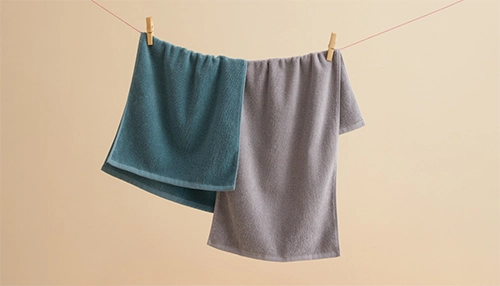
For Hong Kong residents looking to explore the wabi-sabi style, it’s recommended to start with small items—such as selecting a handcrafted ceramic piece, a linen-textured towel, or a solid-wood photo frame. Gradually immerse yourself in the aesthetic appeal of this style, and then consider larger-scale renovations. Designers and home furnishing brands in Hong Kong are becoming increasingly familiar with the design principles of wabi-sabi; you can seek professional advisory services if desired.
In terms of maintenance, wabi-sabi-style items typically require more care and attention. Natural materials need regular upkeep, and handmade products demand careful handling—this in itself is an integral part of the wabi-sabi lifestyle philosophy: cherishing objects and fostering an emotional connection with them.
🔗 Further reading:
- 🏢 Hong Kong Small-Unit Home Decoration and Design — Practical Techniques for Applying the Wabi-Sabi Style in Small Spaces
- 📊 2026 Home Decor New Trends — Understand the positioning of wabi-sabi style in modern home decor trends.
- 🎁 Winter Home Gift Recommendations — Discover healing home goods that embody the aesthetics of wabi-sabi.
Related News
2026-07-10
How do you choose the right custom color paper folder? This article comprehensively breaks down the key considerations for printing paper folders, covering everything from size (A4/A5) and paper quality (250g/300g double-sided coated cardstock) to surface finishes (glossy/matte lamination/local UV coating), internal structure, and printing methods. It also includes a detailed customization process and an analysis of pricing factors.
2026-07-06
What should you write on a thank-you card to truly touch your teacher’s heart? This article reveals the golden formula for heartfelt cards, offers DIY tutorials for handmade thank-you notes, recommends the best complementary little gifts, and highlights the three biggest gift-giving taboos teachers dread—helping you present a thoughtful, fail-proof token of gratitude.
2026-07-06
When giving gifts to teachers at a kindergarten farewell banquet or graduation ceremony, is it better to present a group gift or an individual one? This article analyzes the pros and cons of both approaches and recommends class‑wide customized mementos, gift basket sets, as well as thoughtful, personal gestures—helping you express your gratitude to your teacher in the most appropriate way.
2026-07-06
What’s the maximum budget for gift-giving at kindergarten? Public school teachers may not accept gifts worth more than $500, and gift cards are also subject to this limit. This article provides a detailed overview of gift-giving regulations in both public and private schools, offers suggestions for class-wide collective gift‑sharing, and explains the consequences of exceeding the cap—helping you give gifts with confidence and propriety.
All Product Categories












All Product Categories
Payment Methods:


We are happy to assist you with any questions regarding gift purchases


