















- 提交
- 發送報價請求
- submit
- 發送報價請求
New Marketing Strategy Option: A Comprehensive Comparison of Customized Promotional Gifts and Traditional Media Advertising
Jan 08,2026

Traditional media advertising—including television ads, newspaper ads, magazine ads, and outdoor media—features broad coverage and strong credibility. These advertising formats can quickly reach large audiences and build brand awareness. However, traditional media advertising also has limitations such as high costs, insufficient interactivity, and difficulty in precise targeting.
Modern consumers are increasingly less receptive to traditional advertising, and behaviors such as skipping ads, changing channels, and rapidly flipping through pages have become increasingly common. This phenomenon has significantly diminished the effectiveness of traditional media advertising, prompting businesses to seek more engaging alternatives. Advertising As an emerging marketing tool, gifts are gradually filling this market gap.
The Core Advantages of Customized Promotional Gifts
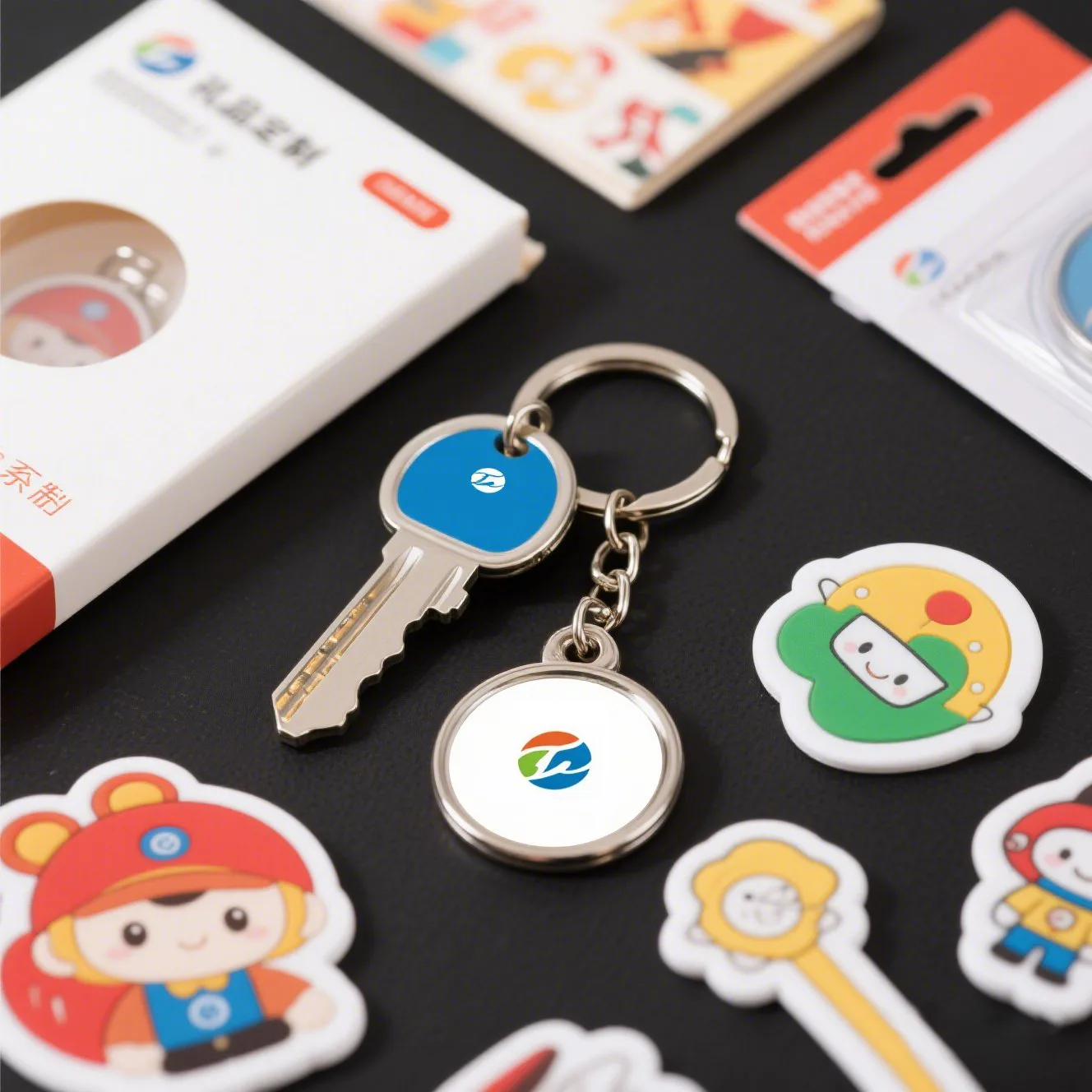
Customized promotional gifts offer significant advantages, including high practicality, a long service life, and sustained brand exposure. Unlike traditional advertising, which often has only brief exposure, promotional gifts can remain present in everyday life for an extended period, continuously conveying brand messages. As consumers use these practical items, they will naturally encounter the brand’s logo, subtly shaping their brand perception over time.
Personalized customization is a key feature of promotional gifts. Businesses can select appropriate product types, design styles, packaging methods, and more based on the characteristics and needs of their target audience. This tailored approach enhances the acceptance and usage rate of the gifts, thereby boosting marketing effectiveness.
Cost-benefit analysis comparison
Traditional media advertising typically requires substantial budgets—especially for prime-time television ads or full-page advertisements in well-known newspapers. The production costs and placement fees for these ad formats are quite high, making them a heavy financial burden for small and medium-sized enterprises. In contrast, the cost structure of custom promotional gifts is much more flexible, allowing businesses to adjust order quantities and product quality according to their budget constraints.
From the perspective of return on investment, promotional gifts offer a longer exposure period and higher audience engagement. Although the cost per single touchpoint may be slightly higher, the long-term benefits often outweigh those of traditional media advertising. This cost-effectiveness advantage is making promotional gifts an increasingly popular marketing tool for businesses.
Audience Interaction and Experience Differences
Traditional media advertising primarily employs a one-way communication model, in which audiences passively receive information with limited opportunities for interaction. This communication approach easily leads to information leakage and makes it difficult to ensure that the audience truly pays attention to and remembers the brand’s message. Modern consumers are increasingly losing patience with passively receiving advertisements and are instead more inclined to actively engage and experience them firsthand.
Customized promotional gifts offer a two-way interactive opportunity. Consumers not only receive practical items but also get to experience the brand’s thoughtfulness and creativity. This experiential marketing approach can foster deeper emotional connections and enhance brand loyalty. Gifts The accuracy of recommendations directly affects marketing effectiveness and requires a deep understanding of the target audience's actual needs.
Brand image shaping effect
Traditional media advertising has the advantages of immediacy and impact in shaping brand image. High-quality ad production can quickly establish a professional, high-end brand image. However, this type of image building is often superficial and lacks deep emotional connections.
Customized promotional gifts can showcase a brand’s values and corporate culture through aspects such as product quality, design details, and practical functionality. As consumers use these gifts over the long term, they gradually come to identify with the brand’s philosophy, fostering a deeper level of brand awareness. This approach to building brand image is more natural and enduring.
Precision Marketing Capability Comparison
Traditional media advertising has a relatively broad audience targeting, making it difficult to achieve precise ad placement. Even within the same program or publication, viewers may differ significantly in terms of age, income, interests, and other characteristics. This wide-net marketing approach is less efficient and can easily lead to wasteful spending of the advertising budget.
Customized promotional gifts offer stronger precision in marketing. Businesses can select appropriate gift types and design solutions based on factors such as specific events, customer segments, and market regions. This precise targeting maximizes marketing effectiveness and enhances return on investment.
Data Tracking and Effectiveness Evaluation
The evaluation of traditional media advertising effectiveness relies primarily on indirect indicators such as ratings and circulation figures, making it difficult to accurately measure the actual impact. Although modern technologies offer more sophisticated tracking methods, these come with higher costs, limiting their feasibility for small and medium-sized enterprises.
The evaluation of customized promotional gifts has become more intuitive and accurate. Companies can assess marketing effectiveness by analyzing specific data such as the number distributed, usage feedback, and customer responses. This quantifiable evaluation approach helps optimize future marketing strategies.
Market Adaptability and Flexibility
Traditional media advertising has a longer production cycle, high modification costs, and relatively slow market response times. Once an ad is launched, it’s difficult to make immediate adjustments in response to market changes. This rigid characteristic limits companies’ ability to respond quickly to market fluctuations.
Customized promotional gifts offer greater flexibility and adaptability. Businesses can promptly adjust their gift designs and distribution strategies based on factors such as seasonal changes, holiday characteristics, and market trends. This flexibility enables promotional gifts to better respond to market fluctuations.
Sustained Impact Analysis
The influence of traditional media advertising is primarily concentrated during the campaign period, and once the ad stops running, its impact rapidly diminishes. This short-term effect limits the long-term building and maintenance of a brand. As a result, companies need to continuously allocate advertising budgets in order to sustain brand visibility.
The influence of custom promotional gifts has a lasting characteristic. High-quality promotional gifts can be used for months or even years, continuously spreading brand messages. This long-term effect gives promotional gifts a unique advantage in brand building.
Selection Strategies and Recommendations
When choosing marketing methods, businesses should comprehensively consider factors such as budget size, target audience, and marketing objectives. For building brand awareness, traditional media advertising still holds certain value; for maintaining customer relationships and implementing precision marketing, customized promotional gifts offer distinct advantages. The optimal strategy often involves combining both approaches to create a complementary marketing mix.
When selecting promotional gifts, it’s recommended to prioritize product types that are highly practical and reliably high-quality. At the same time, pay attention to creative design and personalized customization to ensure that the gifts truly meet the needs of the target audience and achieve optimal marketing results.
Related News
2026-01-08
A Comprehensive Guide to Competition Prize Design: A Creative Guide to Crafting Memorable Souvenirs
Delve into the design principles and practical techniques behind competition prizes, striking a balance between practicality and emotional value. Master the core elements of souvenir design and gain access to professional gift-recommendation strategies.
2026-01-08
The Ultimate Guide to Brand Packaging Design: A Strategic Guide to Building a Unique IP Identity
Delve deeply into the relationship between packaging design and brand perception, master key strategies for creating personalized IP characters, and receive professional IP product design methodologies and gift recommendation guides.
2026-01-08
Gain an in-depth understanding of the significant differences between custom promotional gifts and traditional media advertising, master the key elements of modern marketing strategies, and receive a professional guide to selecting promotional gifts as well as tailored gift recommendations.
2026-01-08
Master the skills of promotional gift selection, understand the standards for gift recommendations and marketing strategies, learn how to choose corporate gifts with high return on investment, and enhance brand exposure and customer relationship management effectiveness.
All Product Categories














All Product Categories
Payment Methods:


We are happy to assist you with any questions regarding gift purchases


